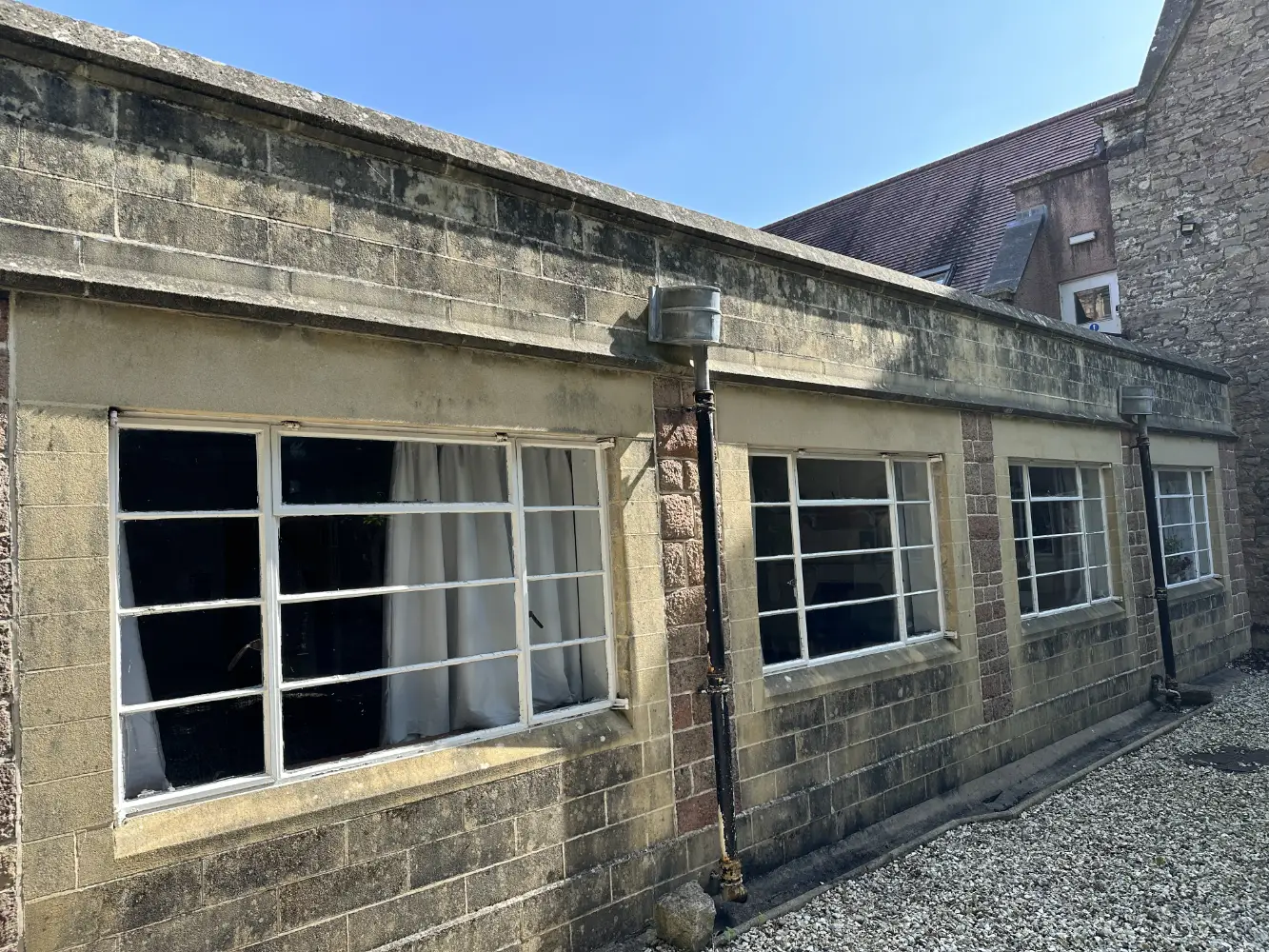
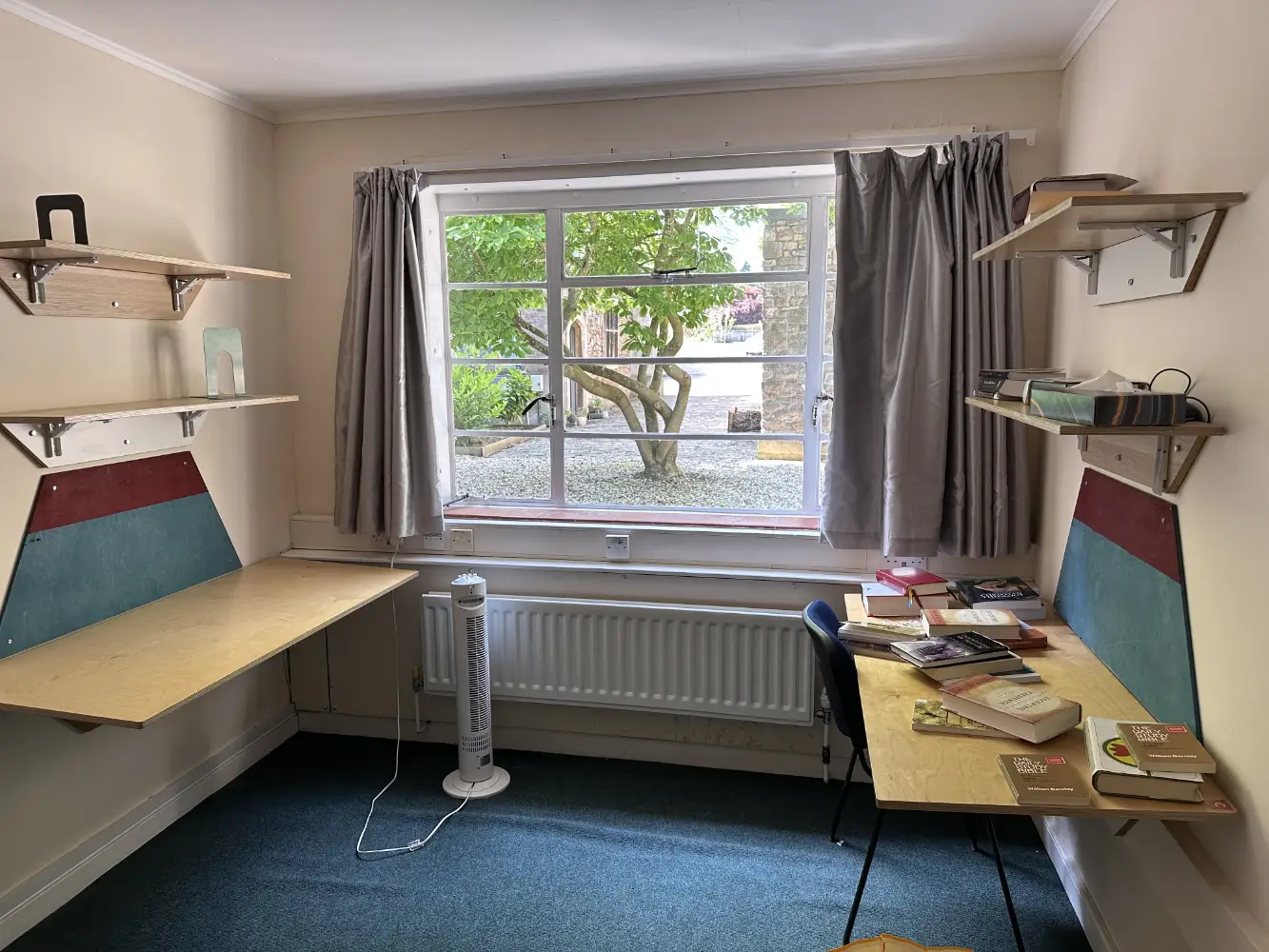
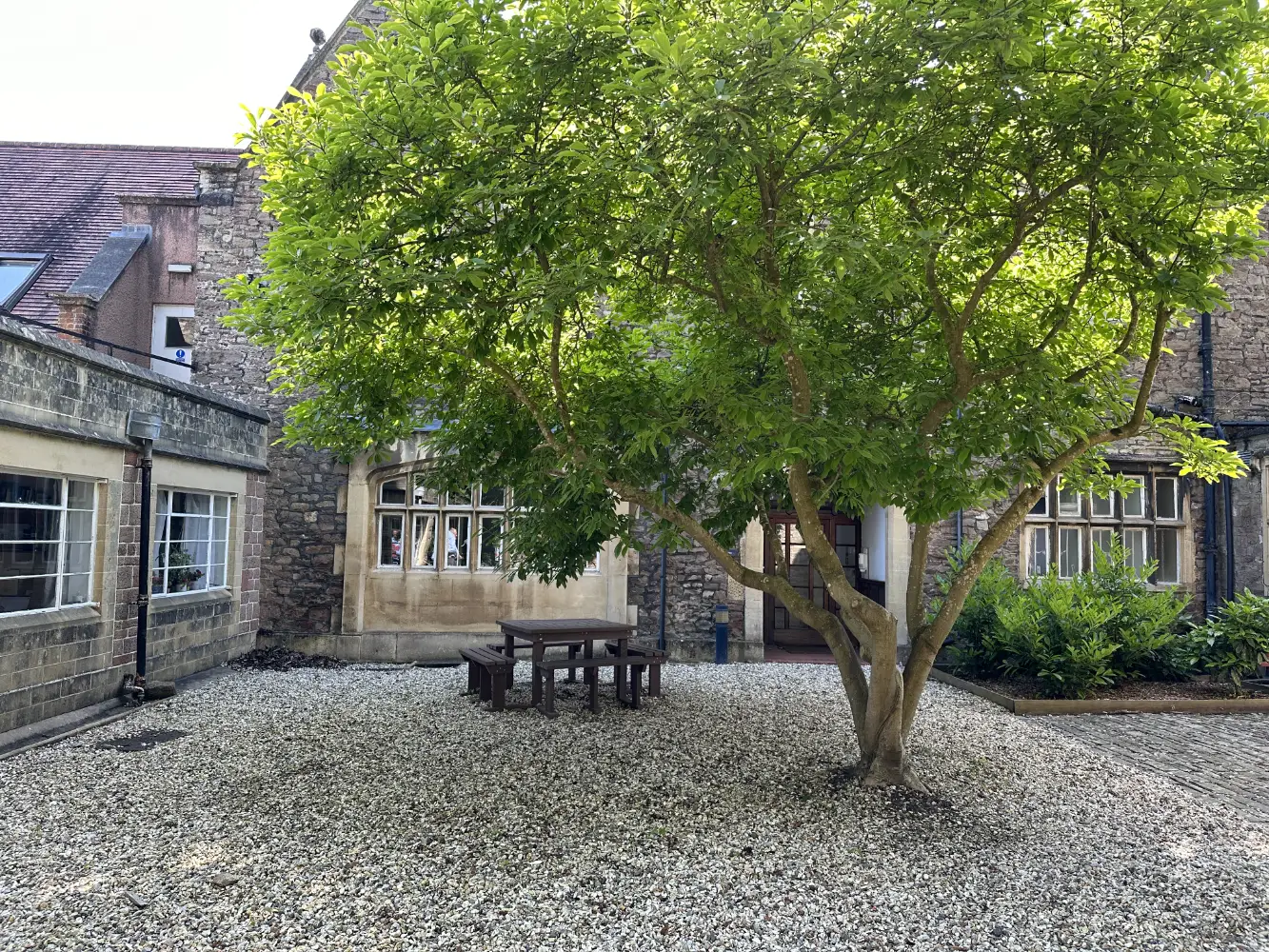
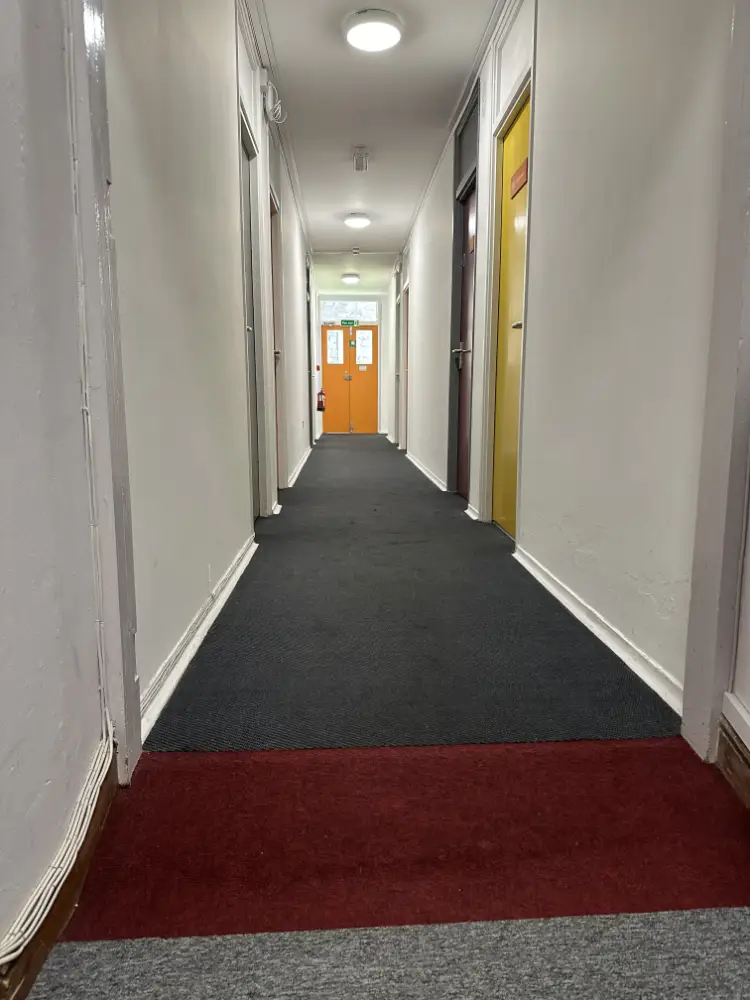
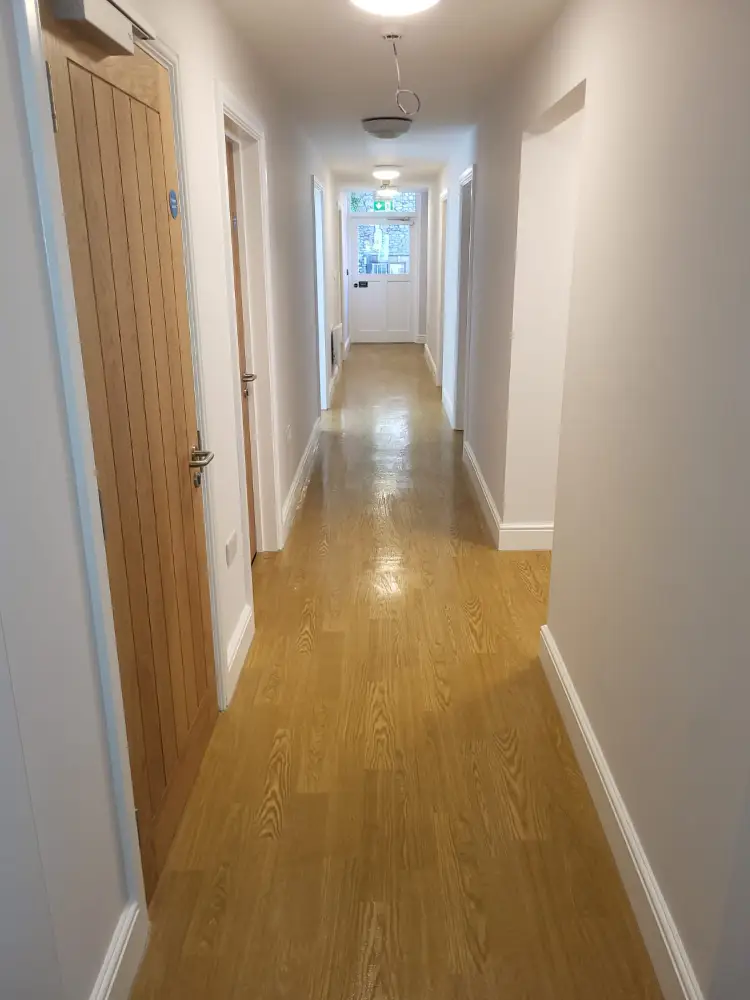
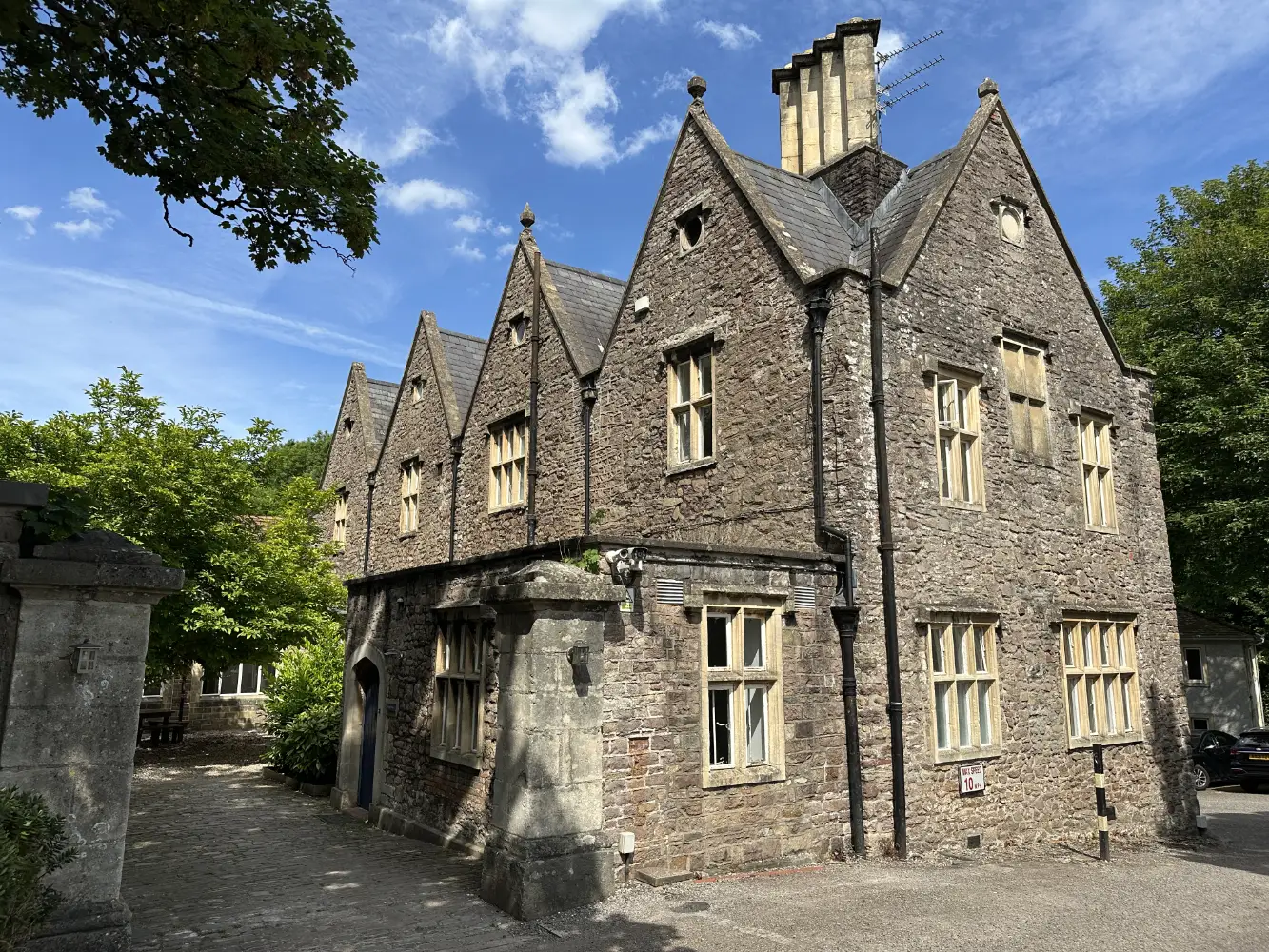
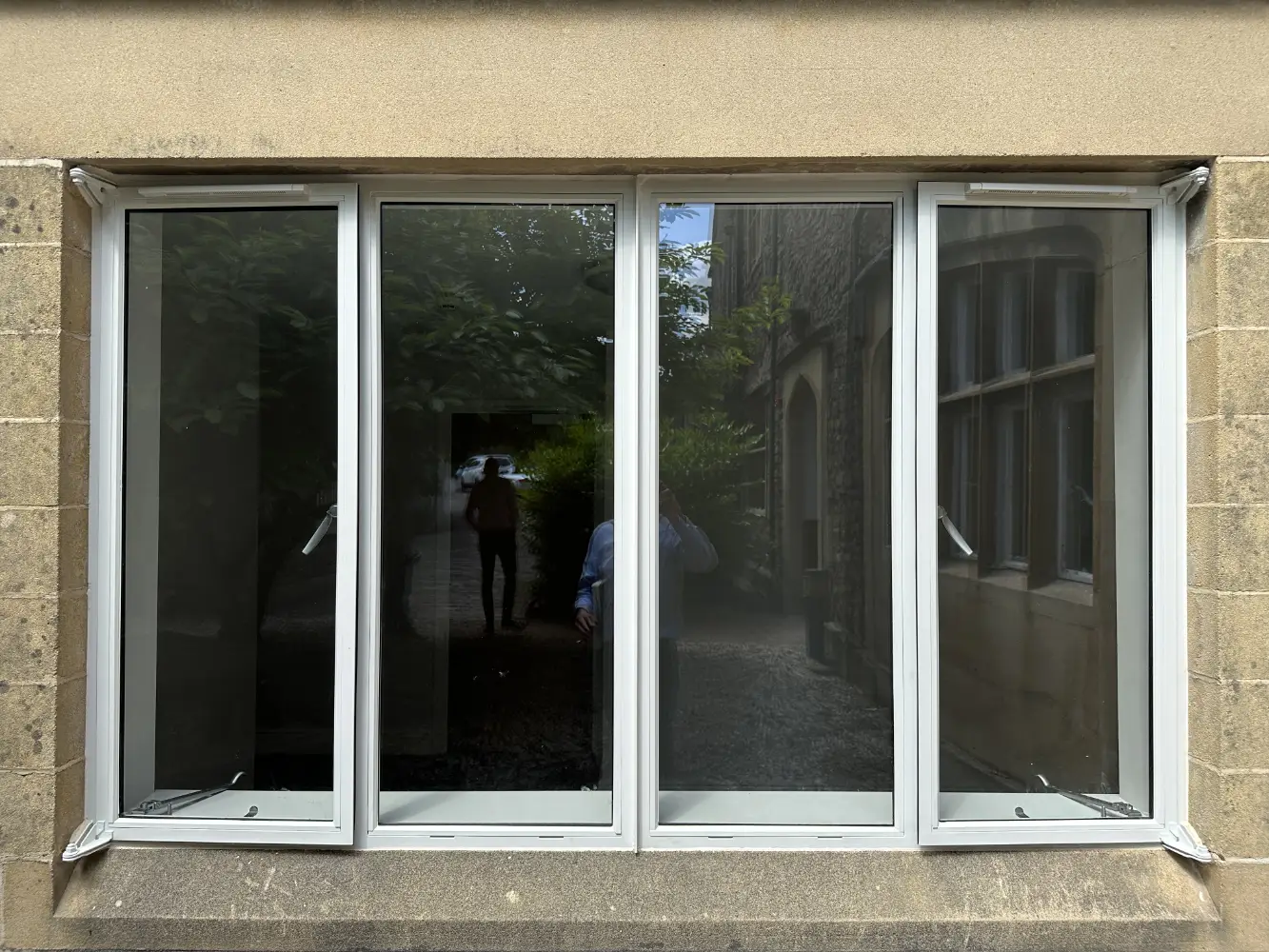
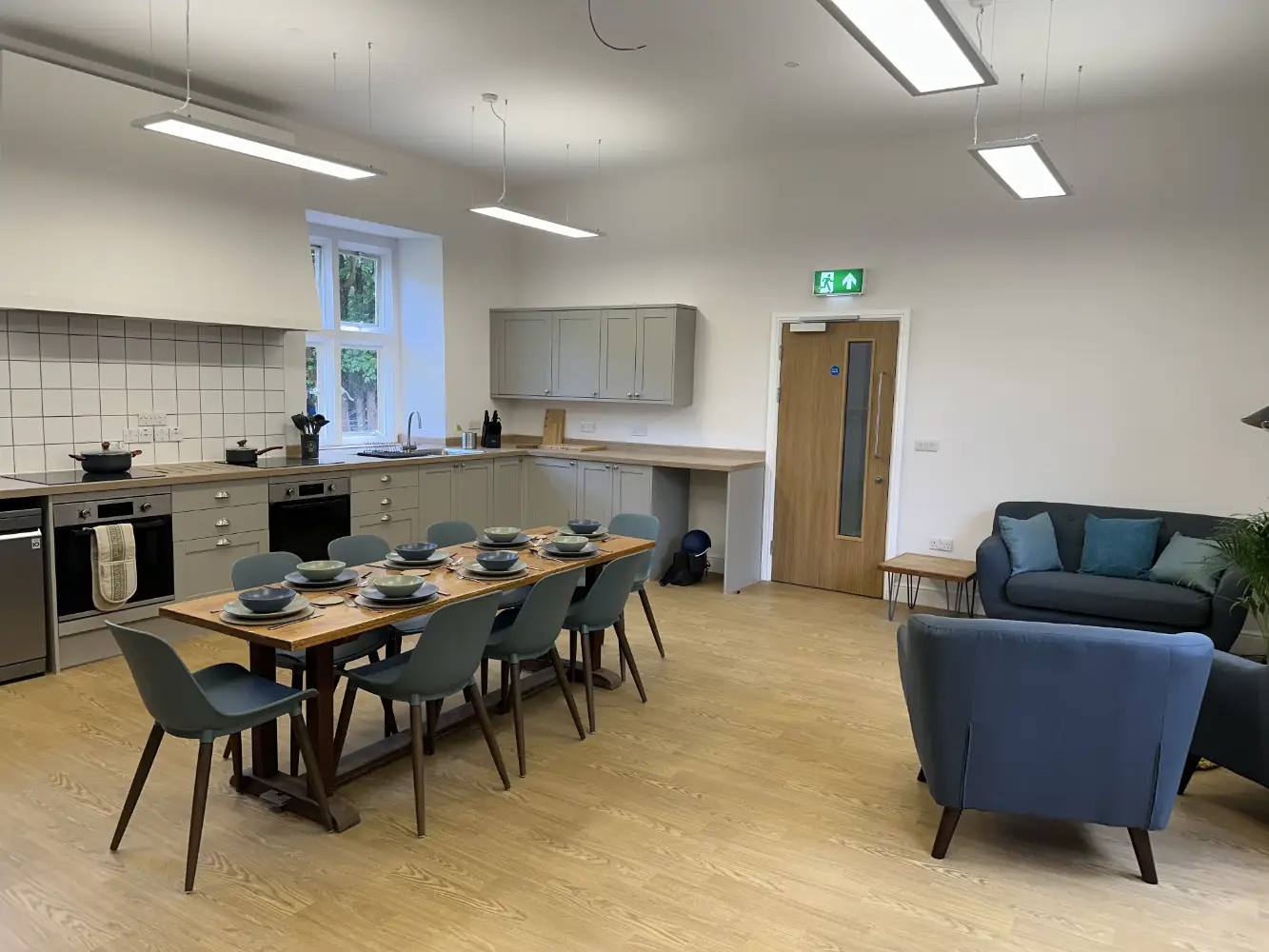
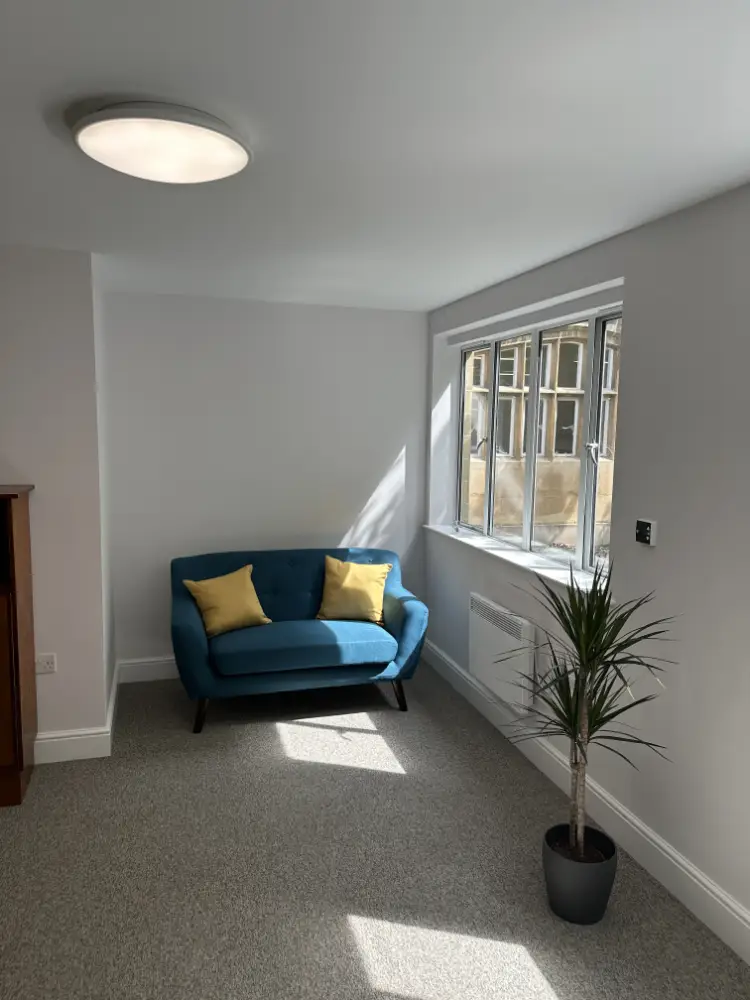
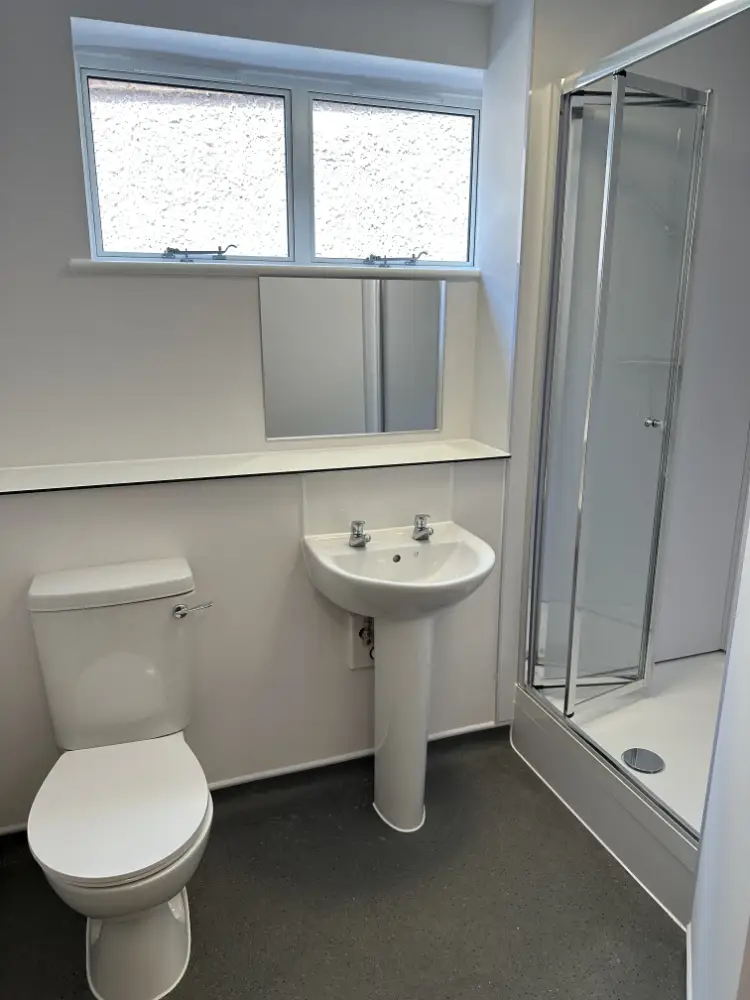
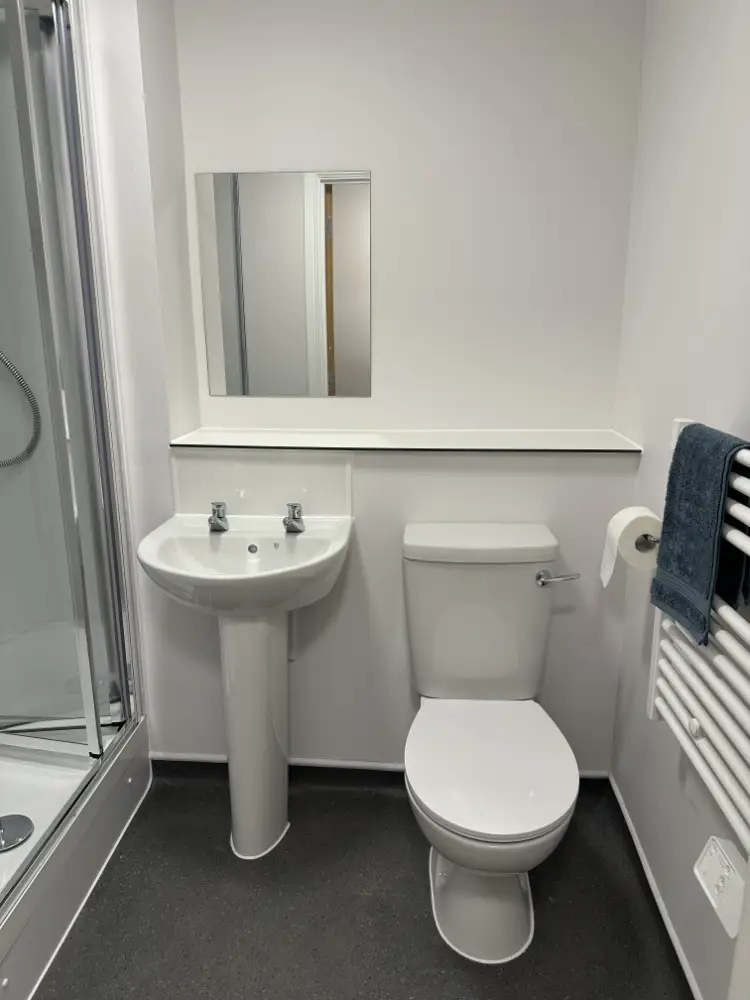
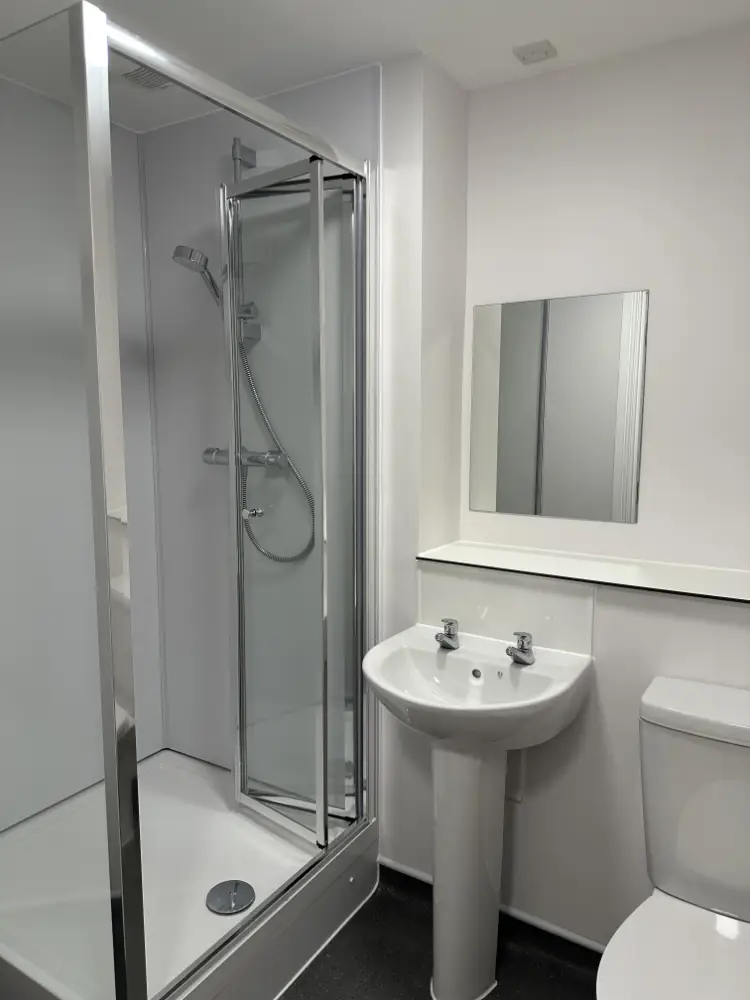
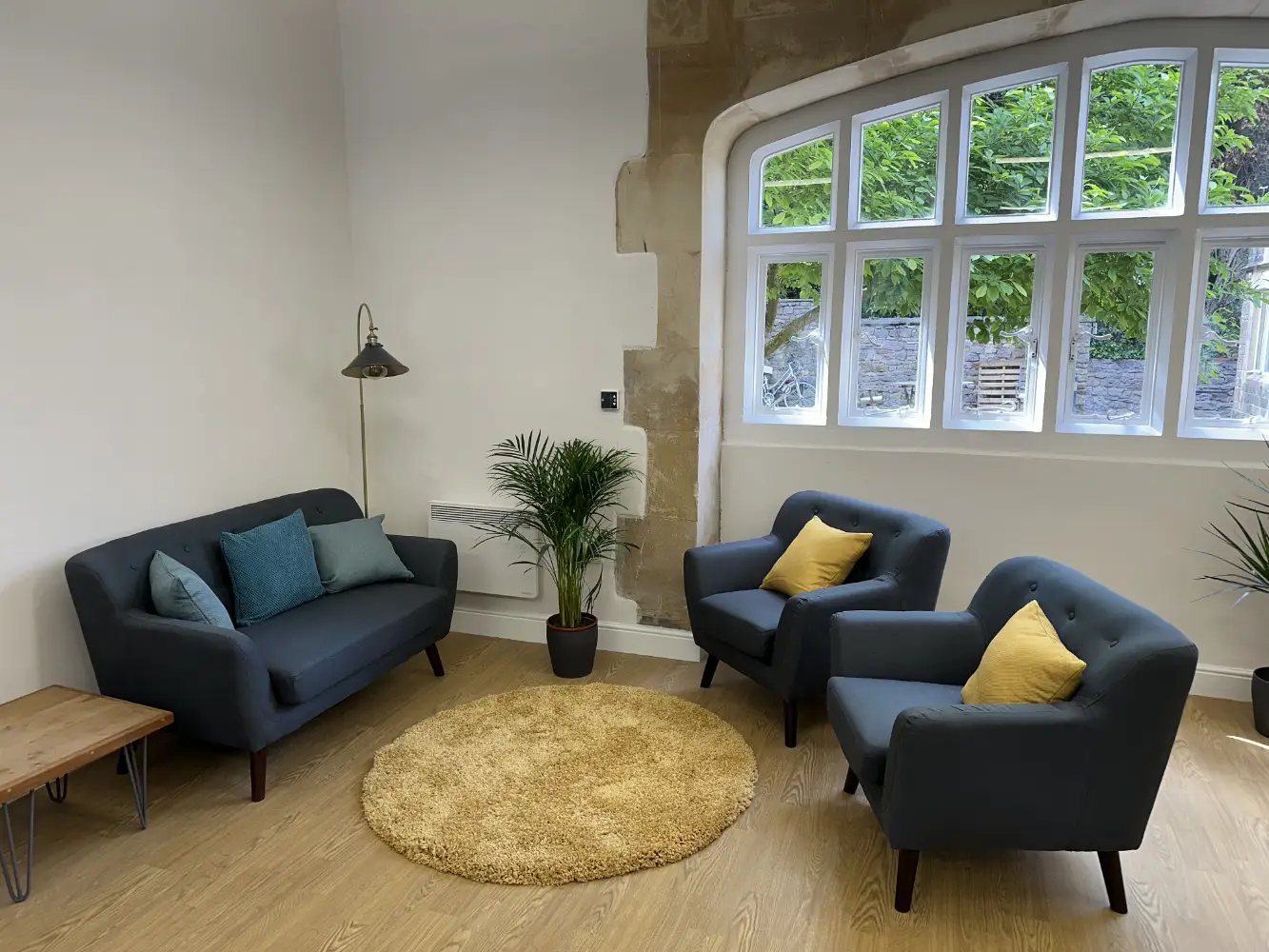
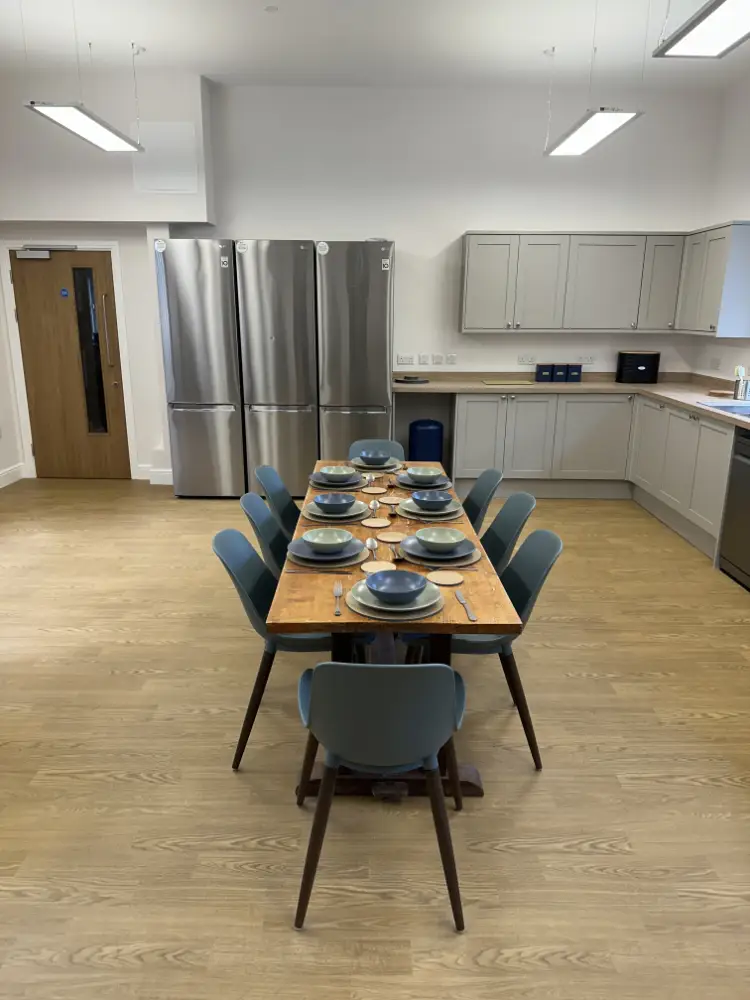
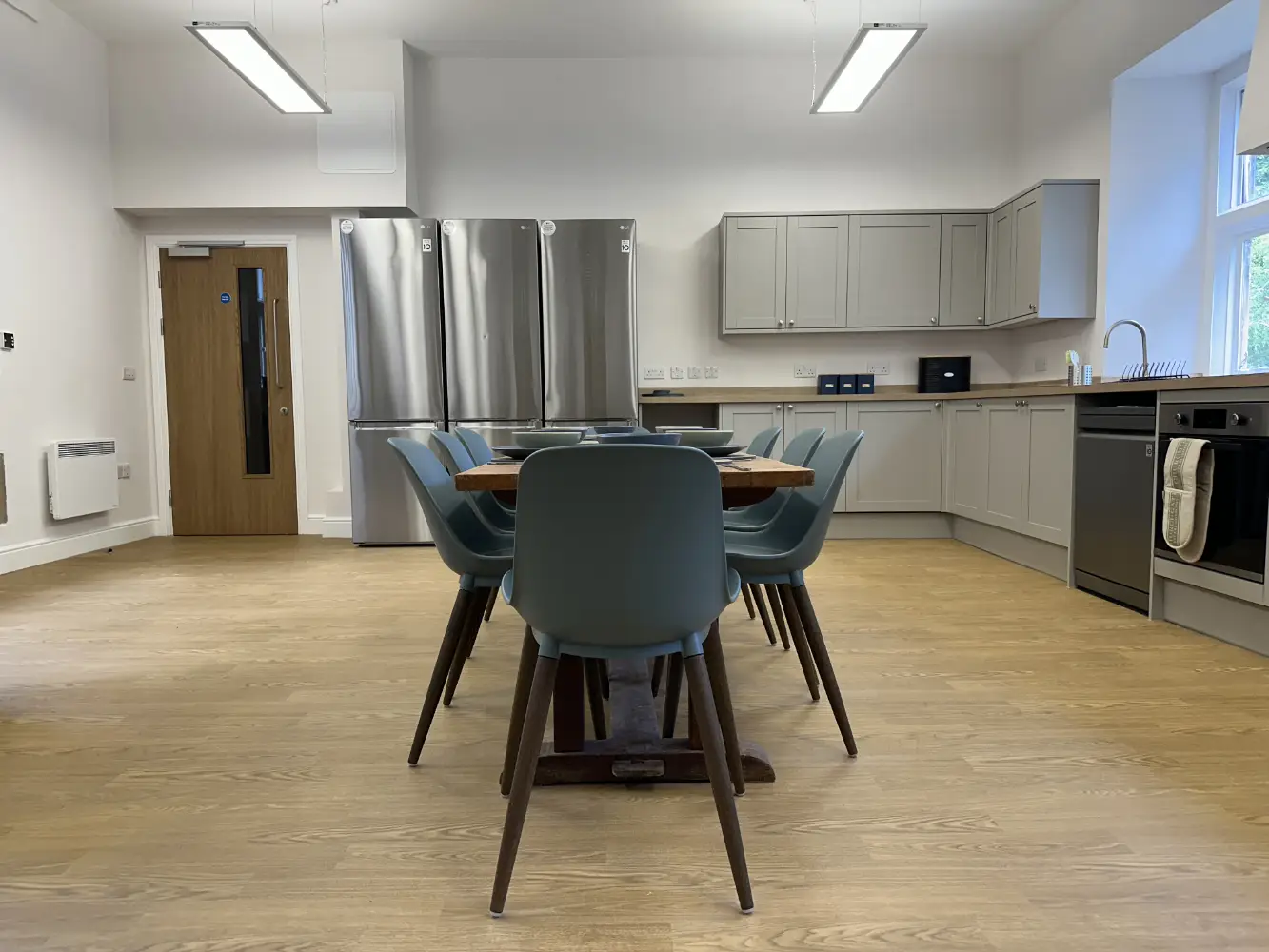
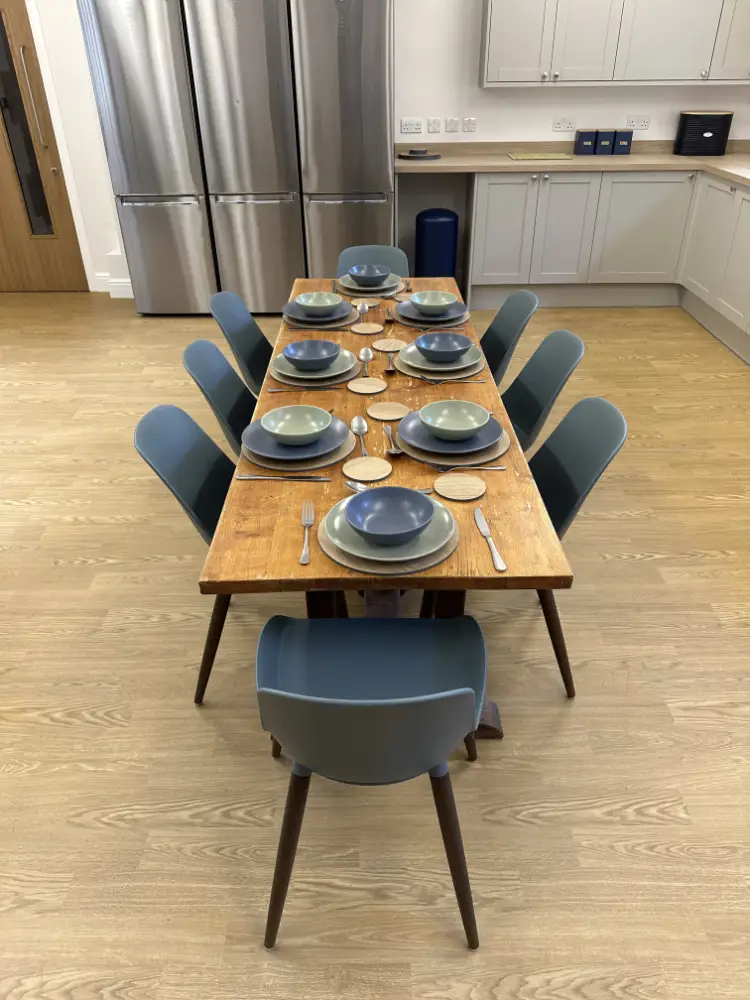
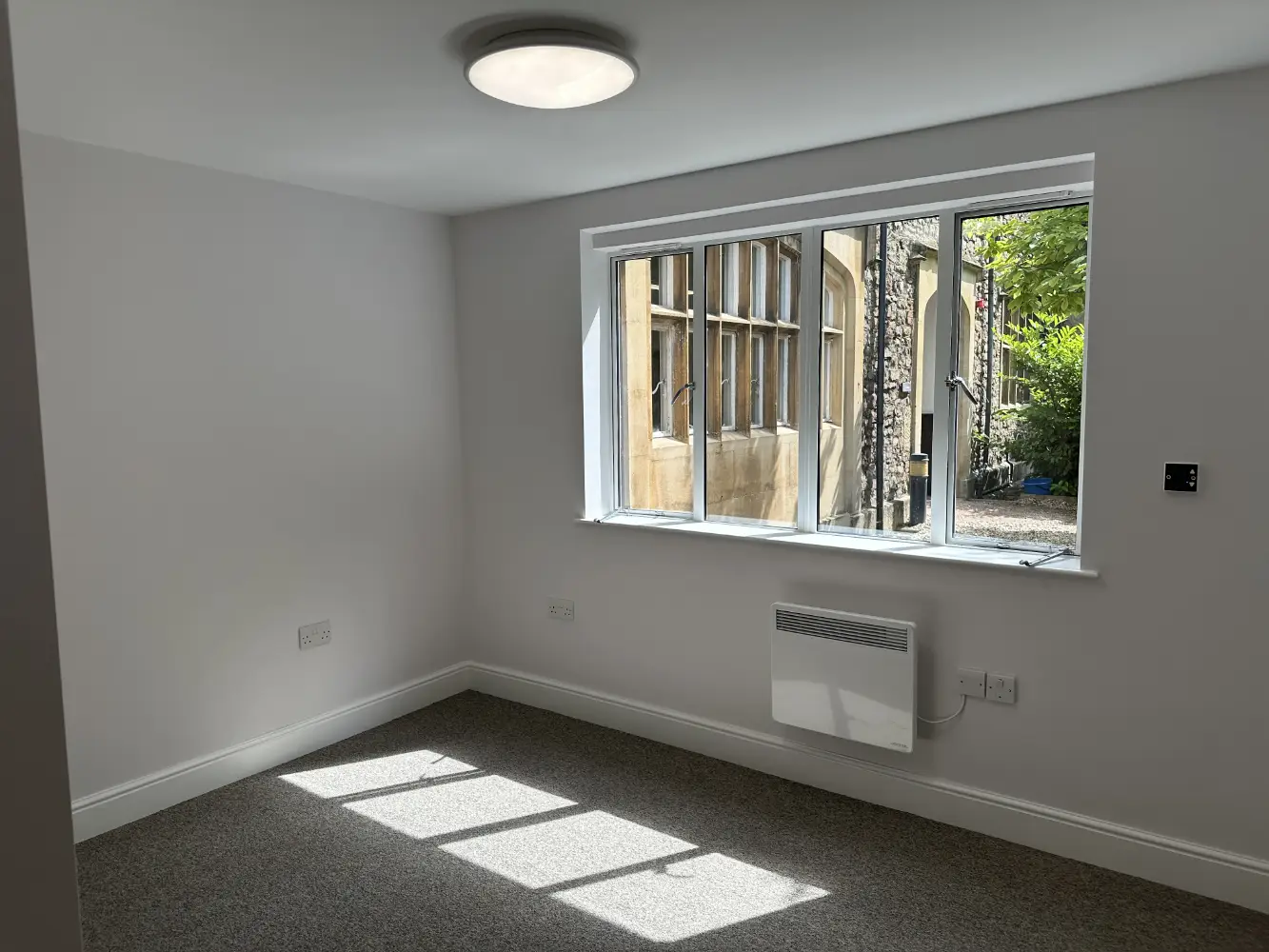
Trinity College Bristol’s Student Village Masterplan is a bold reimagining of what a theological campus can be. Located on a Grade II‑listed estate in north Bristol, the college wanted to transform its outdated accommodation while remaining faithful to its heritage and community‑focused mission . After five years of planning and consultation, Phase One of the Student Village was completed on time and on budget . The result is a modern, sustainable living environment that fosters community formation and provides an inspiring model for other theological institutions .
Trinity’s existing buildings were no longer meeting the needs of a modern residential college. As the Site Development and Sustainability Lead Malcolm Bourne explained, physical transformation alone would not be enough; the college needed a whole‑campus vision that married architectural ambition with deep theological and community purpose . The masterplan therefore set out to:
From the outset the project prioritised participation. A Site Development Group (SDG) comprising students, trustees, senior leaders and external professionals served as a “visionary compass.” The SDG ran a transparent design competition, drawing inspiration from The Wisdom of Crowds and attracting almost 40 submissions from international designers . Each stage – from scoring frameworks to interviews – emphasised collaboration and shared values. This inclusive process ensured that the final design embodied the college’s theological ethos and community aspirations.
To broaden impact, Trinity partnered with the Housing Festival, a national initiative exploring modern construction methods. The partnership promoted the Student Village project, connected the college to wider church and civic networks and helped the masterplan adopt innovative approaches such as off‑site manufacture .
Kitto Group PLC was invited to deliver Phase One of the Student Village following recommendations from Christchurch and Clifton College for finishing projects “on time and on budget” and understanding specialist educational requirements (Trinity College’s trustees were normally pressured to obtain three competing quotes, but in this case opted for a negotiated route). Key features of the partnership included:
The project encountered several challenges:
Phase One delivered a new cluster of student accommodation on time and on budget . The buildings are energy‑efficient, incorporate modern methods of construction and respect the estate’s heritage. Communal spaces and landscaped gardens promote community life, while covered walkways and flexible layouts allow the village to grow in phases. Importantly, the project’s collaborative design competition and people‑focused approach have been replicated by others, demonstrating the broader influence of Trinity’s masterplan .
Malcolm Bourne, Trinity’s former Head of Property and Site Development, praised Kitto Group’s performance. He highlighted the company’s reliability, communication and understanding of the project’s particular challenges. Recommendations came through word‑of‑mouth from institutions such as Christchurch and Clifton College. Although issues such as water leaks and power outages arose, Malcolm noted that Kitto resolved these quickly and efficiently. He rated the project 6 out of 5, would “definitely work with Kitto again” and recommends them to others. Malcolm also observed that the college valued Kitto’s integrity and commitment to community above price alone; this alignment of values contributed significantly to the project’s success.
Trinity College Bristol’s Student Village demonstrates how thoughtful design, stakeholder participation and trusted partnerships can transform a historic campus for the future. By marrying heritage conservation with modern construction methods and a people‑first ethos, the project sets a hopeful blueprint for theological education. Kitto Group’s involvement ensured the scheme was delivered efficiently while respecting the college’s values and community. As subsequent phases of the masterplan unfold, Trinity’s commitment to community, heritage and hope continues to inspire.



This site is protected by reCAPTCHA and the Google Privacy Policy and Terms of Service apply.